

I was always a bit dubious of DNA tests – mostly because I assume my data will be used by health insurance companies for some nefarious surcharge, but of course the same is true for my Garmin Watch, Internet-enabled scales and diet tracking apps. I don’t plan to stop using all these tools, so at some point back in 2017, when work was too intense and my diet was flagging, I sought inspiration in the form of a cheek swab, hoping for some magic diet advice that might motivate me to get back in the game.
A couple of weeks later, I got an emailed PDF full of techno-jargon for dummies and easy-to-read infographics. On first read, I saw nothing very novel or useful, and forgot all about it until the company emailed me recently to announce that they were being bought out, and the portal with my report would be shut down forever – at which point, I downloaded the report and took a second look.

The first specific insight from the report is that my genotype should prefer the Mediterranean diet over other eating styles. This is a bit of a turn off for me as I had massive success with weight loss, blood pressure and cholesterol management on a strict paleo diet. I also enjoy red meat and believe it supports muscle growth. That said, given the N generations of my father’s family hailing from South Italy, it does make sense that I would be genetically disposed to their eating style.
This is not a proof that any of the insights in the report are strong, or even correct, but it does at leaser make intuitive sense that the first recommendation is logically supportable. I also think that there is a lot in common between the Paleo and Mediterranean with an emphasis on unprocessed plants. The big discussion would be switch from red meat to fish as my primary animal protein (plus of course the debate on saturated vs. polyunsaturated fats and smoke points for vegetables oils.)
I have not made the big switch – which would require taking time to learn how to cook fish – but I have also been less focused on diet in recent years. I might be tempted to experiment with this in the future.
The next big insight is that I need a balance of power and endurance exercise, and that I am genetically disposed to a high VO2 Max response. My Garmin data supports the finding on my VO2 Max response, but overall, I do not find this information remotely actionable; I eat for strength and muscle growth, so I need to also run to control body fat. I had worked that one out a long time ago….

The findings on post-exercise recovery and injury risk were more interesting, although I didn’t take time to think about it my first reading of the report.
Apparently I have genetic variants for slow post-exercise recovery and slower than average clearance of free radicals. There have been periods where I train intensively with high volume, but I never saw any significant benefits from high volume training. Charles Poliquin’s German Volume Training (GVT) programme just left me broken. Most of my best outcomes come from lifting three times per week consistently with some running in of the off days.
The report recommends that I consume above average anti-inflammatories (Vitamins A, C, E), a high level of Omega-3, and 3-4 servings of cruciferous vegetables per week. I already do some of this, but not to the levels recommended. The Omega-3 point is easy to address and syncs with the Mediterranean Diet recommendation to eat more fish. This is something I have directly adjusted. I am not sure how to evaluate its impact. Possibly blood tests for inflammation markers at six month intervals, or just accept the recommendation and get on with it…
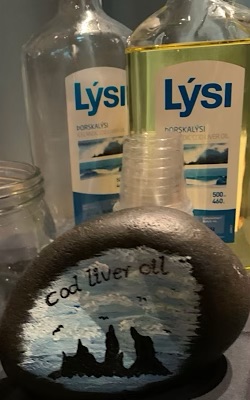
On a side note, I recently discovered Icelandic Cod Liver Oil (unfortunately after I invested in Omega-3 gel caps). I have always known it was out there but never seen it before, so tried it when the opportunity presented itself. Down it like a shot, harmless taste and no fish burps. Plus it also brings Vitamins A, D and E along for the ride, it is readily available on Amazon, and cheaper than premium brand gel caps. This will be my go-to approach for supplemental anti-inflammatories going forward!
The last insight is that I have a higher than average risk of soft tissue injury. Non aligned to my self-image but looking through most of the blog posts in the last year, it is a lot of recovery-related material! Since I am not going to stop training, I will need to manage the injury risk. I think that means increasing focus on mobility and flexibility. That will be an adventure for 2024.
In conclusion, the DNA report was more interesting than I initially gave it credit for, but nothing truly amazing. I could (and usually had) come to similar conclusions already. The exact recommendations were all pretty generic and safely aligned to mainstream nutrition advice. But I will think a bit more deeply on inflammation and injury prevention.
Six years later, it might be worth doing another test with a different provider to see if they make any new recommendations. I would also be curious if the recommendations were consistent, but I expect that they all rely on the same base research so would give similar results.
 Caveman Musings
Leave a comment